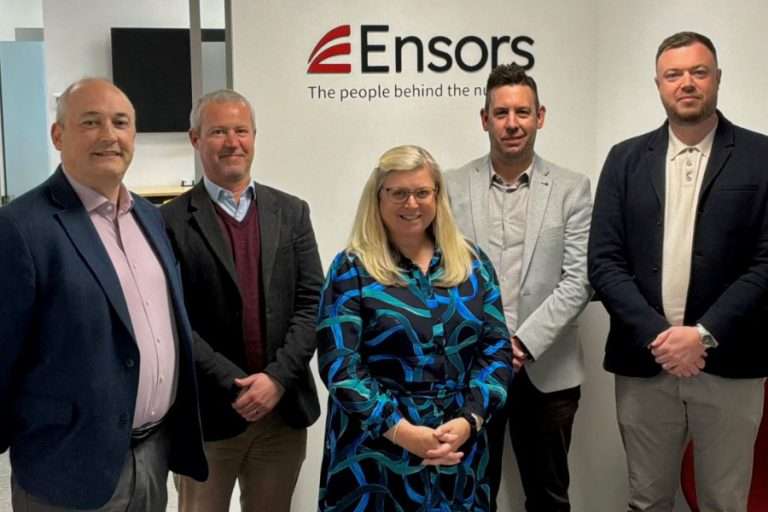

Financial Planning: Kurt Walsh, East Anglian Financial Planning
The role of IFA includes the additional responsibility to recognise when a client may be vulnerable, not only as a moral obligation but also as a regulatory requirement.
Recognising vulnerability
Vulnerable clients are individuals who, due to their personal circumstances, are especially susceptible to detriment, particularly when a firm is not acting with appropriate levels of care.
We believe it is vital for us to be able to assess vulnerability for the following reasons:
Changing circumstances over time – We have looked after some of our clients for 25+ years and over such a period, clients’ circumstances can change significantly. They could be vulnerable many times over for reasons such as changes in health, cognitive abilities, employment status, family situations, and more. Recognising vulnerability helps us to adapt our approach and our financial strategy to suit their evolving needs.
Of course, positive events can find a client vulnerable too. Sudden wealth syndrome – receiving a large inheritance or winning the lottery – can cause feelings of guilt and isolation, or simply feeling overwhelmed by a level of money that is unfamiliar to them.
Fostering a greater degree of trust – By recognising and addressing vulnerability, IFAs demonstrate empathy, understanding, and a commitment to their clients’ best interests, which strengthens the relationship between client and adviser.
Proactive measures – Early recognition allows IFAs to take proactive measures, such as setting up power of attorney, arranging for regular reviews, simplifying terminology, adapting speech (eg slower), larger text font in communications, or establishing protective financial mechanisms.
Our approach
We are members of the Financial Vulnerable Taskforce (an independent body designed to promote greater understanding of servicing vulnerable clients) and support their work.
Our five core rules in dealing with vulnerable clients are as follows:
- Mark a client’s file to make sure all staff are able to quickly identify whether a client they deal with is vulnerable.
- We will invite the client to have a family member or third party accompany them to future meetings or participate in a phone call.
- Wherever possible, we will look to have a face-to-face meeting, as remote meetings make it more difficult to assess whether a client is vulnerable or continues to be vulnerable.
- The length of meetings is to be adapted to each client situation – capping the length of time so as to not overwhelm the client, or allowing longer if they need it.
- Where appropriate, staff to signpost vulnerable clients to relevant organisations (for example, StepChange, Money Advice Service, Citizen’s Advice, etc.).
In addition to our in-house work, our regulator, the Financial Services Authority (FCA), is currently conducting a review into how firms respond to customers in vulnerable circumstances and will share their findings by the end of 2024.

GET IN TOUCH
Kurt Walsh, Director and Head of Compliance at East Anglian Financial Planning, was recently a finalist for SME Compliance Team of Year with the International Compliance Association.
T: 0333 207 2151
E: info@eafp.co.uk
Or visit www.eafp.co.uk