
Legal: Chloe Vertigen, Birkett Long
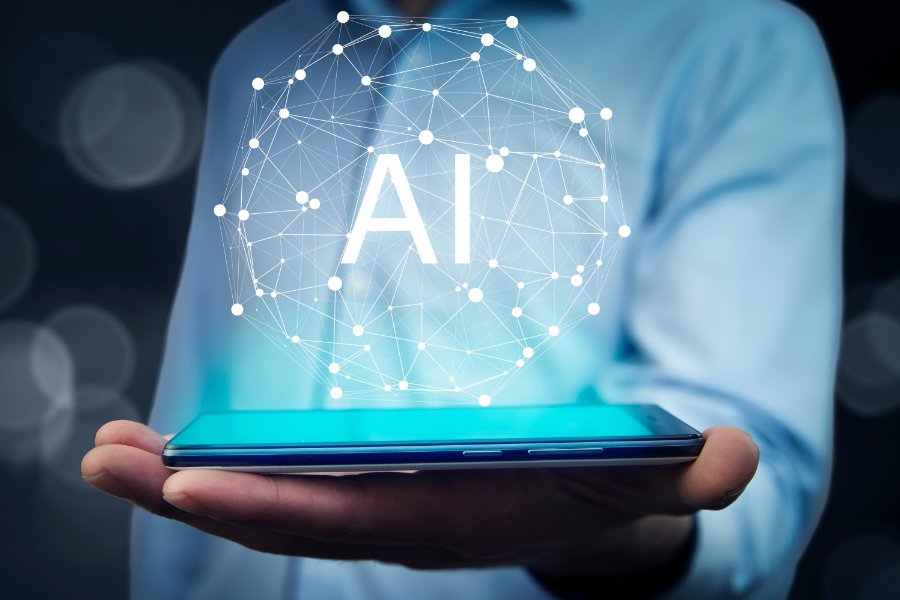
AI refers to software designed to perform tasks typically handled by humans, from writing to analysing data. AI is ‘trained’ using vast amounts of data and it uses this knowledge to follow commands.
One popular example is conversational AI, like ChatGPT, which can generate responses to specific prompts. Other AI tools can generate images and contracts, or analyse business performance.
The benefits of AI
AI offers significant advantages, particularly in streamlining repetitive tasks, enabling businesses to focus on more strategic work. Some examples include:
- Proofreading and writing analysis: AI can review your writing and then suggest improvements in tone, structure, and audience targeting.
- Customer service automation: chatbots help small teams direct website visitors to the right resources, improving customer experience.
- Performance analysis: AI can forecast sales and stock needs, and analyse business statistics faster than manual methods, freeing up valuable time.
These AI tools are best used to support, not replace, human decision-making. By assisting in data analysis and automating routine tasks, it can help businesses prioritise resources effectively.
The risks of AI
While AI excels at enhancing efficiency, its limitations become apparent when used as a replacement for critical human functions, like drafting contracts. In some cases, AI-generated work has led to serious errors. For example, a US firm used AI to draft legal arguments without proper review, resulting in sanctions when the document included fictitious court cases.
As AI evolves, and businesses increasingly use it to generate documents like contracts, it is important to be aware of the risks – it may save costs, but without proper legal oversight, this can backfire. Potential issues include:
- Incorrect terminology or laws: AI might produce contracts that don’t align with your company’s needs or local laws, binding you to unfavourable terms.
- Invalid clauses: some AI-generated clauses may not be legally enforceable, leaving your business unprotected.
- Copyright concerns: the AI may unknowingly use other people’s content, which could result in your contract resembling another company’s document too closely.
These risks could result in costly litigation, reputational damage, and long-term financial harm.
Is AI the key to success?
AI can be a valuable support tool, saving businesses time and resources. However, it’s not a replacement for human expertise, particularly in areas that require careful judgment, creativity, or legal precision. When it comes to drafting contracts, working with a solicitor is still the safest, most reliable option to ensure your business is protected.

GET IN TOUCH
If you need expert legal assistance to create tailored, enforceable contracts, our business team is here to help.
Chloe Vertigen is a Solicitor in the Business Team at Birkett Long
T: 0330 818 3168
E: chloe.vertigen@birkettlong.co.uk
Or visit www.birkettlong.co.uk