
Energy: PLH Utilities
These contracts define terms such as pricing, supply duration, volume and additional services.
Traditionally, they have been structured around a reliable grid-based supply, but with the rise of renewable technologies, businesses now have the option to incorporate self-generated energy – such as solar, wind or biomass – directly into their energy mix. This shift not only aligns with global decarbonisation efforts, but also offers greater autonomy and cost predictability.
The Plan
The implementation of self-generated energy and battery storage within commercial energy contracts requires a well-structured plan.
The first stage involves conducting an energy audit to assess a business’s current consumption patterns, peak demand periods and long-term energy needs.
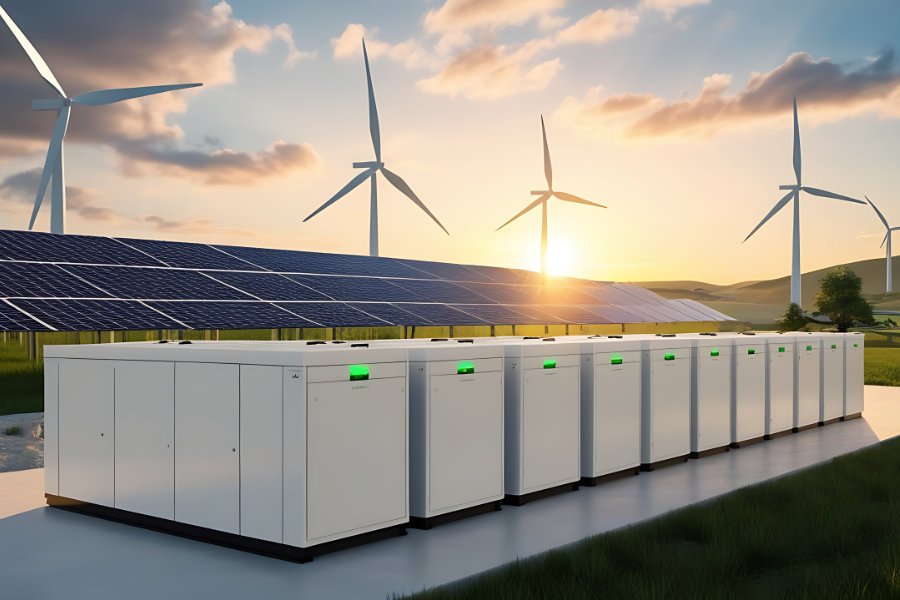
Next, the integration of battery storage becomes crucial. Batteries play a pivotal role by capturing excess energy produced during off-peak hours for use when demand spikes, thus optimising energy usage and minimising reliance on grid supply. Choosing the right battery technology – whether lithium-ion, flow batteries or other emerging options – requires careful evaluation.
Once the technical components are defined, businesses must negotiate flexible energy contracts with providers. These contracts should accommodate self-generated energy and include provisions for exporting surplus energy back to the grid, where applicable, to create an additional revenue stream. Additionally, contracts should outline performance guarantees, maintenance responsibilities and any penalties for non-compliance, to ensure smooth long-term operation.
Of course, continuity in energy supply and operations is critical for businesses, even as they transition toward self-generation and battery storage. To achieve this, businesses must adopt a hybrid approach, maintaining a grid connection as a backup while maximising their use of renewable energy.
Regular monitoring and maintenance of both self-generation units and battery systems are essential to uphold efficiency and reliability. Advanced energy management systems (EMS) can play a key role here, providing real-time data on energy production, consumption and storage levels. These insights enable businesses to make informed adjustments and anticipate potential issues.
Moreover, businesses should remain agile in their contracts. As technology evolves, newer, more efficient solutions will emerge, and energy contracts should allow for upgrades and innovations without excessive penalties.
Conclusion
The integration of self-generation energy and battery storage represents a transformative approach to energy management. Through thoughtful planning, businesses can achieve greater resilience, cost savings and sustainability, thereby positioning themselves as environmental leaders and securing their energy future in a rapidly changing world.

GET IN TOUCH
Paul Hughes is a Utilities Consultant at PLH Utilities.
Contact him today to discover how they can guide your business toward a greener, more efficient future.
T: 01206 489470
E: info@plhutilities.co.uk
Or visit www.plhutilities.co.uk/energy-efficiency-2